Physical AI, including industrial robots — news, data, and investment signal.
Industrial Robot Fundamentals
Physical AI Concepts
Robot Foundation Models
Hardware Fundamentals
Movement & Perception Fundamentals
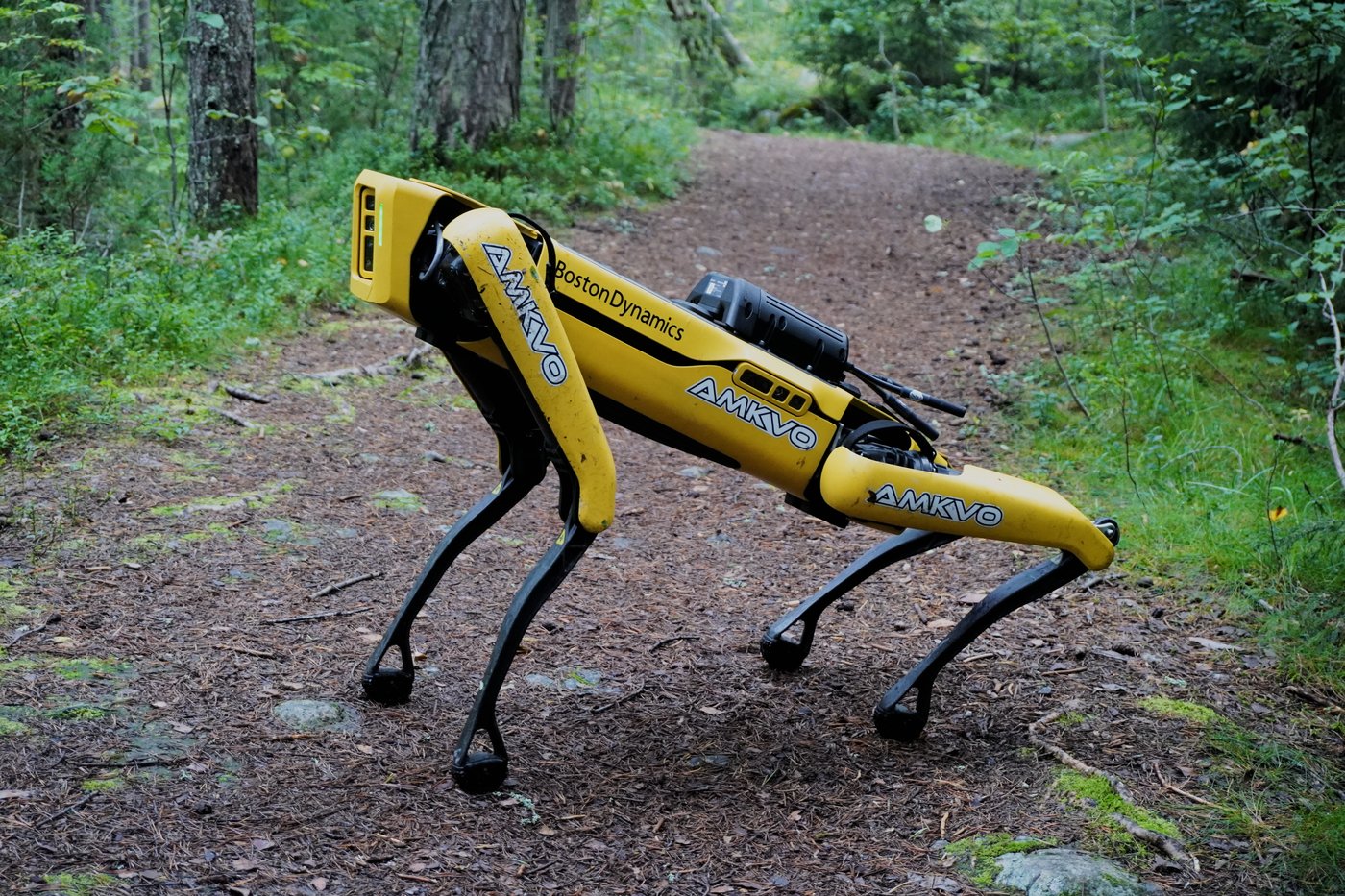
From Robot Dogs to Humanoids
BigDog, MIT's Cheetah, and Unitree's robot dogs spent two decades solving balance, actuators, and simulation — the same three problems that now define the humanoid boom. The engineering throughline, and where researchers say it breaks down.
Read →The History of the Robot Industry
From the first industrial arm on a GM assembly line in 1961 to today's humanoid funding boom, across the US, Japan, Europe, and China — how physical AI got here.
Read →Market Map by Element Technology
Research Labs & National Institutions
Humanoid & Mobility
Industrial & Field Applications
Enabling Technology
Markets & Capital
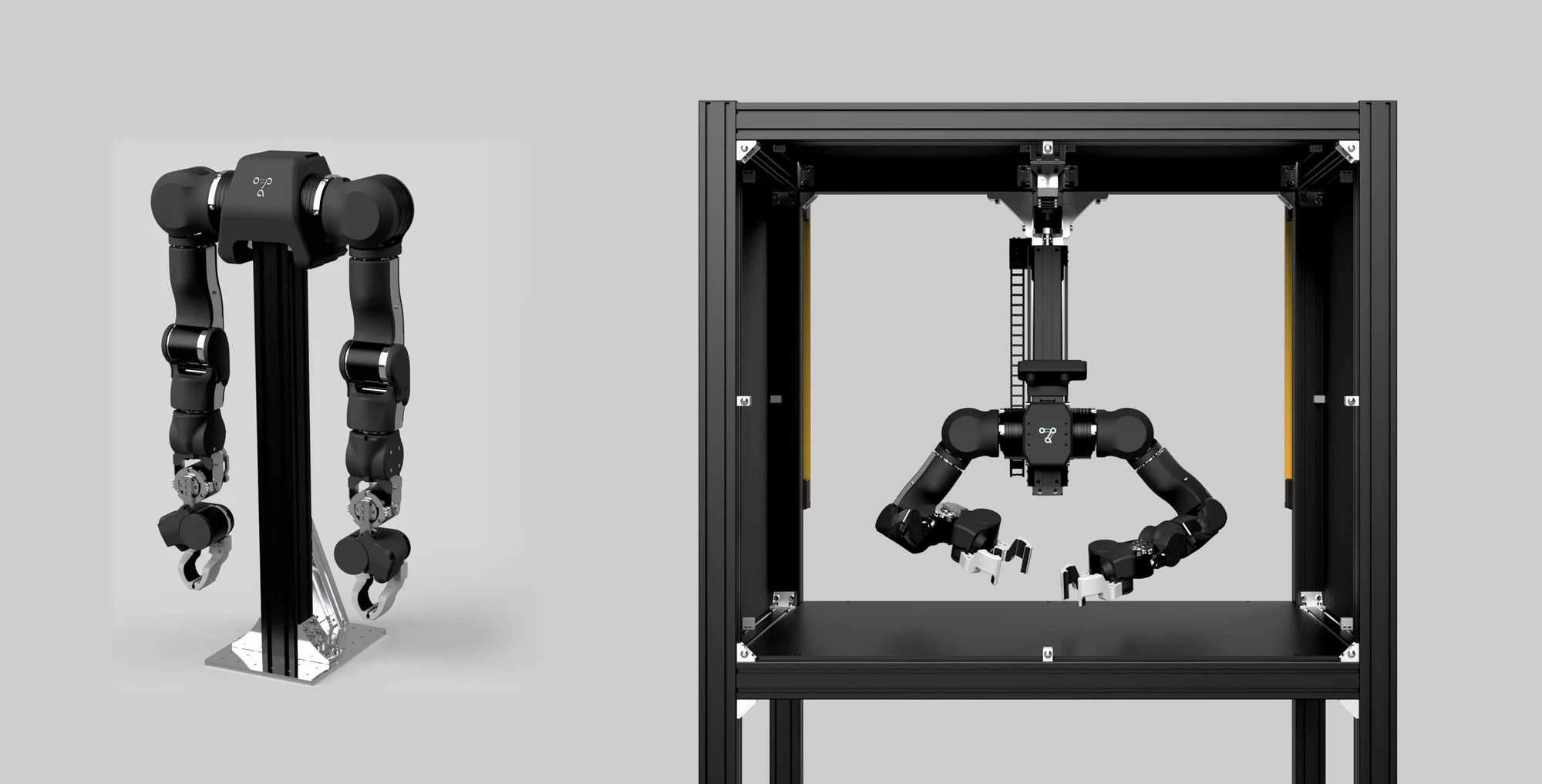
OpenArm
A fully open-source, 7-DOF bimanual humanoid arm from Enactic, a Tokyo robotics company spun out of Reazon Holdings — priced from $6,500, licensed under Apache 2.0 and CERN-OHL-S-2.0, and built around a 'make SOTA reproducible' standardized evaluation platform now integrated into Hugging Face's LeRobot.
Read →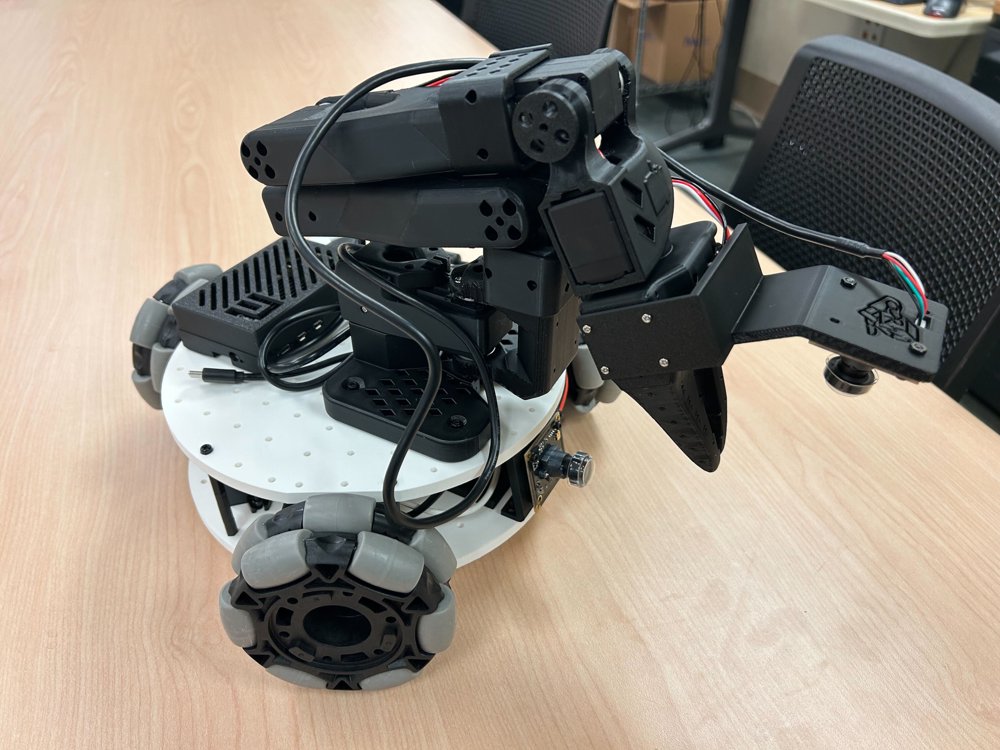
LeKiwi
A $184–$499, 3D-printed, three-wheel omnidirectional base from a University of Illinois student robotics group that turns Hugging Face's stationary SO-100/SO-101 arm into a mobile manipulator — now a supported robot type in the official LeRobot library.
Read →
The History of LeRobot
From an ex-Tesla engineer's PyTorch library to a $100 robot arm, a 25,000-star open-source project, and 0.6.0's world models — how Hugging Face's LeRobot became a reference stack for AI-driven robot learning.
Read →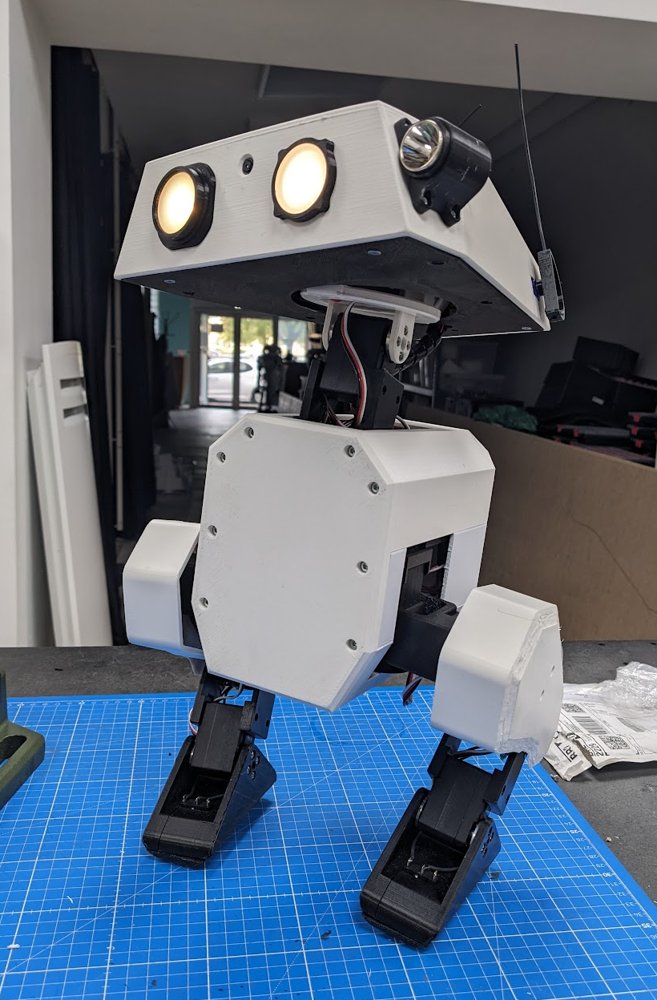
Open Duck Mini
A sub-$400, 3D-printable bipedal robot that learns to walk via reinforcement learning, built by a Pollen Robotics engineer as a Disney BDX-droid-inspired side project — and later chosen to demo on-device AI at Google I/O.
Read →